
Wildlife in a Warming World
As I finished my studies in zoology I read articles for my research on climate change. Climate change is not something that will happen in the future it is happening now. It is a big problem for our environment. The earth is getting warmer. This is affecting the world, the animals and the plants very fast.
There are things that are changing like the temperature the rain and the big storms. All these changes are happening quickly and they are affecting the animals and the world around us.
The animals that are affected the most are the ones that need an environment to survive to have babies to move to different places at different times of the year and to find food. For a long time the climate was pretty much the same so the animals and the ecosystems had time to develop and adapt.
Now the animals have to adapt very quickly and this is very hard for them. Some animals are moving to places some are changing the time of year when they have babies and some are struggling to survive because their homes are getting smaller.
Climate change is not a problem for the animals it is a problem for the whole ecosystem. The forests, the wetlands, the oceans and the polar regions are all. This is having a big impact on all the living things in the world and on the environment as a whole.
How Climate Change Is Affecting Animal Populations
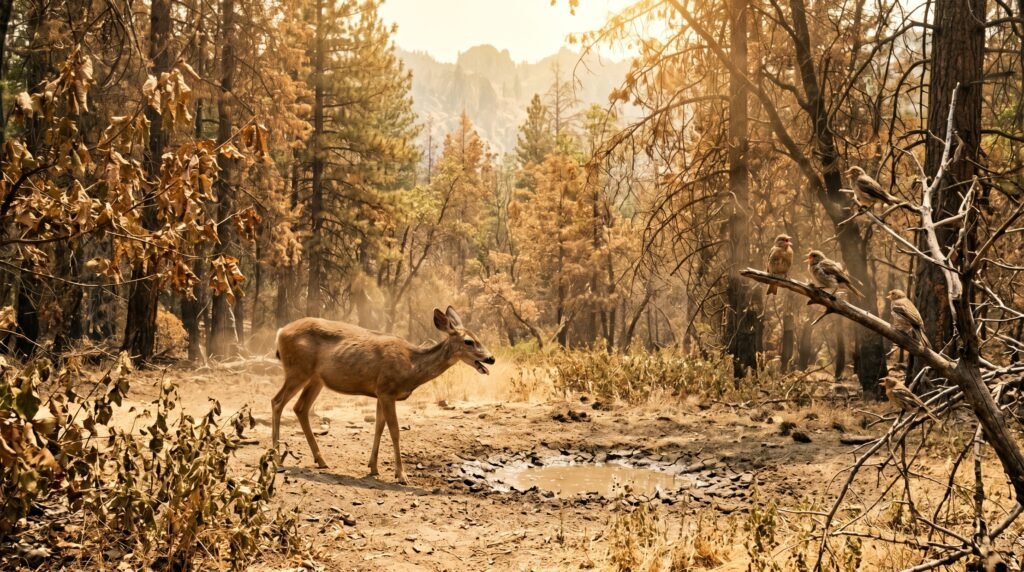
Many animal populations around the world are struggling because of the environment and the weather. This is causing them a lot of stress and problems. When the temperature rises it affects the food that the animals eat when they have babies and how they behave at times of the year.
Many animals depend on the temperature the rain and the daylight to know when to move to a place, when to have babies and when to find food.. When the climate changes these signs do not work anymore and it causes problems, for the animals.
For example some birds start moving to a place earlier in the year because it is getting warmer in the spring. The insects they eat may not be ready yet. Some mammals that live in places are losing their homes because it is getting too warm.
The oceans are having problems too. When the ocean water gets warmer it affects the fish, the coral and the mammals that live in the ocean. The warmer ocean water changes where they have their babies and there is oxygen in the ocean water.
All of these changes show that climate change is not about the weather it is actually changing how the wildlife populations survive.
Climate Change and Biodiversity Loss
The variety of life on Earth is called biodiversity. This includes all the species, ecosystems and genes. When we have biodiversity it helps keep the environment in balance. It also helps us have food, clean water. It even helps regulate diseases and deal with climate change.
Climate change is a problem for biodiversity around the world. Some species just cannot adapt to the changes so their populations get smaller. They become extinct. Species that are specialized are in a lot of trouble because they need specific conditions to survive.
For example amphibians, animals that live in the mountains, wildlife in the Arctic and organisms that live in reefs are really sensitive to changes. When biodiversity gets worse ecosystems get weaker. They are not able to handle changes in the environment well. If one species disappears it can affect a lot of species too.
Biodiversity conservation is really important scientists say. We need to protect biodiversity not to save the animals but also to keep the ecosystems healthy because they are essential for human life. Climate change and biodiversity loss are connected and biodiversity is crucial for our survival so we need to take care of biodiversity.
Nature’s Allies in Fighting Climate Change
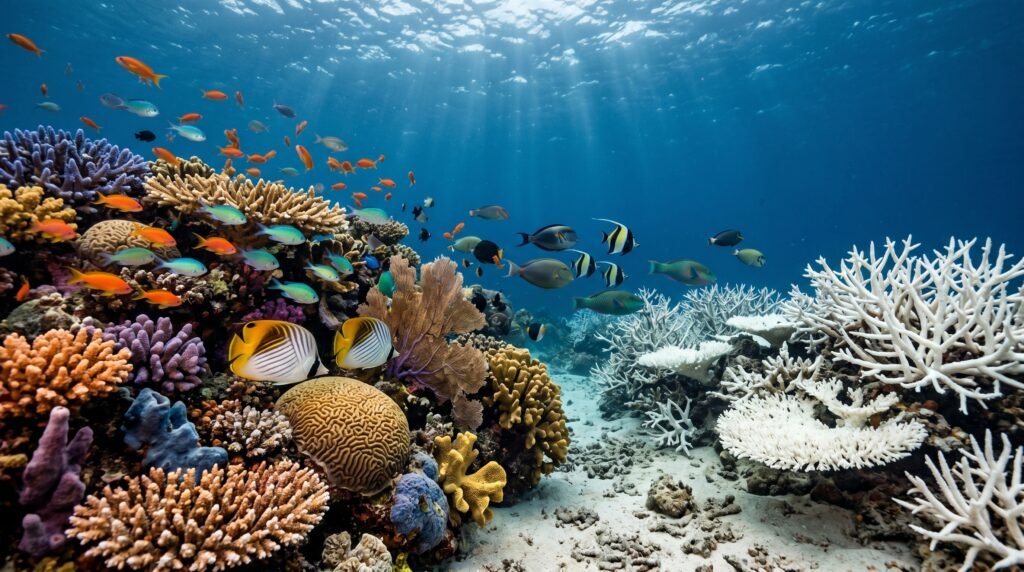
The wildlife and the natural ecosystems are not just hurt by climate change. They can also help solve the climate change problem. Healthy ecosystems can store carbon from the air on their own.
The forests, the wetlands, the grasslands, the mangroves and the oceans are carbon sinks that help reduce gases in the air. The animals help keep the ecosystems in ways.
The grazing animals help the plants grow the marine animals help move nutrients. The pollinators help the plants make seeds. The big mammals and other wildlife can help store carbon by changing their homes and making the ecosystems stronger.
Benefits of Protecting Kinds of Animals and Plants
Protecting biodiversity offers benefits that extend far beyond saving individual species it helps maintain healthy ecosystems that support climate regulation, environmental balance, and the long-term sustainability of life on Earth. So protecting kinds of animals and plants has big benefits some of them are:
- We save species and we make nature better at controlling the climate.
- Using nature to fight climate change is becoming a part of the plans to stop climate change.
- The ecosystems like the forests the oceans and the wildlife are crucial in this fight against climate change.
- They help absorb carbon and make the air cleaner.
- Protecting ecosystems is important for the planet.
As climate change continues to place pressure on biodiversity, conserving animals, plants, and natural habitats remains one of the most effective ways to support ecosystem stability and create a healthier future for both people and the environment.
The Impact of Climate Change on Wildlife Habitats
The habitat destruction is a problem caused by climate change. As it gets warmer the ecosystems start to change. Forest edges move, wetlands get dry, glaciers get smaller and coastal areas have water.
These changes hurt animals. They lose their homes, places to nest, food and areas to breed. Polar regions are an example. Less ice hurts animals that need it to hunt and survive. In the tropics rain patterns change.
This causes droughts and changes plant growth. Animals have to move to homes. Ocean habitats are changing fast. Warmer water and acid rain hurt sea life. Many aquatic species lose their homes.
When habitats disappear animals must adjust, move to a home or their populations decline. Habitat destruction affects species. Climate change causes destruction..
Rising Temperatures and Changing Migration Patterns
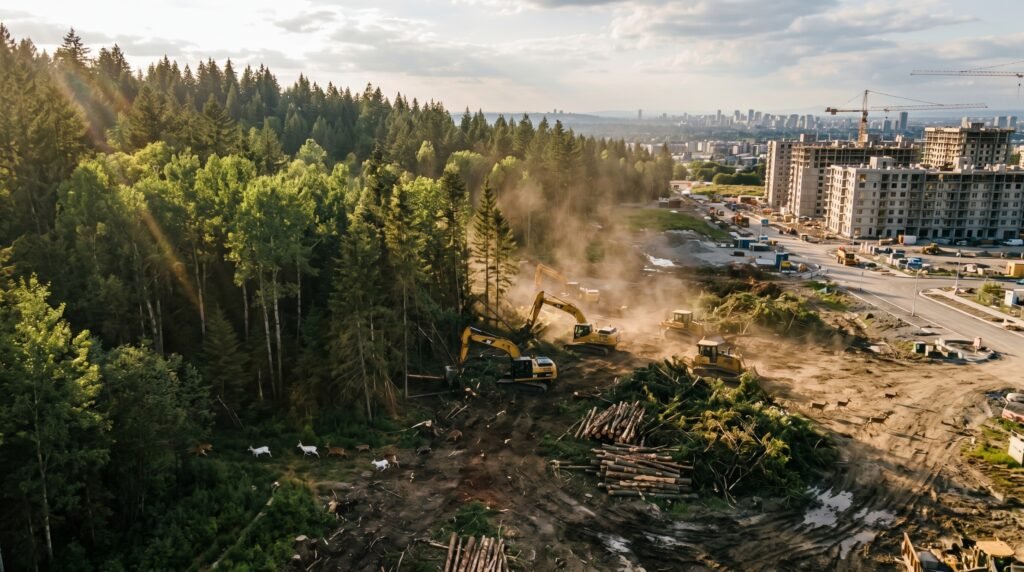
The migration is something that really helps the animals survive. They move to places at times of the year to find food have babies and stay in nice weather. Climate change is messing with the ways that the animals migrate.
Birds and fish and mammals and insects are all changing when and where they migrate because it is getting warmer. Some animals get to their breeding places earlier than they used to.
Some are moving into new areas that they never went to before. Just because animals change their migration plans it does not mean they will be okay. A lot of the time animals need things to happen at the time like having food available when they get to a new place. If that does not happen they will not have babies often.
The way that animals move in the ocean is also changing because the temperature of the water is affecting where they live and what they eat. If animals keep changing where they go it can change the environment and make it so that different species are competing with each other.
Disappearing Habitats and the Rise of Endangered Species
Climate change is causing a lot of problems for animals and their homes. Species that are already in trouble because of things like pollution and people taking over their space are in trouble. The mountains are an example of this.
When it gets hotter animals move up the mountain to find places to live. Pretty soon they get to the top and there is no place left for them to go. Animals that live by the ocean have their problems. The ocean is getting bigger. The storms are getting worse.
Small groups of animals are in danger because they do not have many different types of animals in their group. This means they are not very good at changing when things get tough. If we do not do something, climate change will keep hurting animals and their homes.
This could mean that some animals will disappear forever and the whole ecosystem will be changed for good. Climate change and habitat loss are problems for species around the world. Species and their habitat loss are important issues that we need to think about.
What We Can Do to Help Wildlife Survive Climate Change
Although climate change is a problem we can make a difference for wildlife if we take action. Reducing greenhouse gas emissions is really important for the term. Switching to energy using energy more efficiently and developing sustainably can all help reduce the pressure on the environment.
Conservation efforts are also super important. Protected areas, fixing habitats, creating wildlife corridors and managing land in a way can make ecosystems stronger. Communities can help by supporting groups that protect wildlife reducing waste, planting plants and pushing for policies that are good for the environment.
Research and monitoring programs help scientists figure out how species are doing and make decisions about conservation. Protecting wildlife means governments, scientists, industries and local communities have to work.
Protecting Wildlife in a Changing Climate
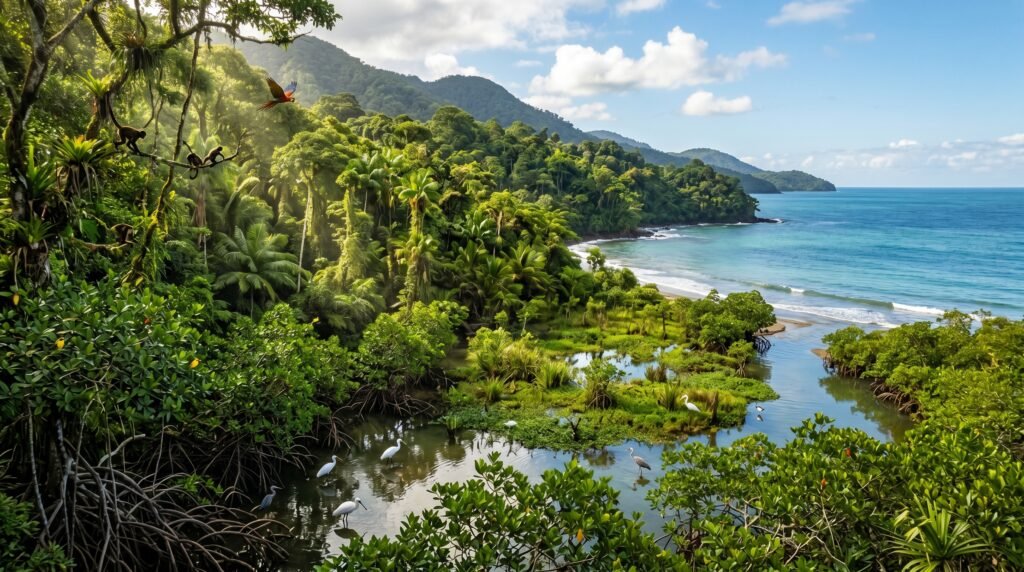
Climate change is a problem for our planet and it is really affecting wildlife. Wildlife is being hurt by climate change in ways. This includes animals changing where they go at times of the year and the places where they live disappearing.
Also there are kinds of animals and the balance of nature is getting messed up. The facts show that climate change is changing the way our planet works. We can still do things to make the damage not as bad. Help the earth get better.
If we protect wildlife we are also protecting the places where they live. If we protect these places it is good for people too. We need to work on saving wildlife, stopping climate change and taking care of the earth in a way that’s good for everyone. This will help keep all kinds of animals alive, for our kids and their kids.
What we do now will decide if the earth stays healthy and strong or gets weaker. If we want a future we need to know that saving wildlife and stopping climate change are connected and we need to work on both at the same time. Climate change and wildlife are connected so we need to think about both when we make plans to help the earth.
Conclusion
Climate change is really affecting wildlife in a way. You can see the effects all over the world. The Earth is getting warmer the weather is getting weird. Animals are losing their homes. This is a problem for animals that need things to stay the same in order to survive.
Climate change is changing the way animals interact with each other. It is hurting the variety of life on Earth. This is true for animals that live on land and in the water.
At the time, wildlife and healthy environments were very important for helping the Earth deal with climate change. We need to protect the places where animals live, save animals that’re in danger, fix damaged environments and reduce the bad things we put into the air.
We need to remember that climate change is not about saving individual animals. It is about keeping the environment healthy. This is important for both animals and people. If we want to help wildlife survive climate change we need to work and take care of the Earth for a long time.
We need to do research and make choices about how we treat the environment and work together as a planet. If we protect the variety of life on Earth now it will be good for our planet and, for the people who will live here in the future.