
People drink caffeine every day. It is, in their morning coffee, afternoon energy drink, tea, soda or chocolate. Caffeine is a part of daily life. It helps people feel awake think and gets them through busy days.
There is another side to caffeine that people do not notice until bedtime. Lots of people have trouble falling asleep staying asleep or waking up feeling tired. Caffeine might be the reason. They do not realize it.
Does caffeine affect sleep? The answer is yes. It is not that simple. When people drink caffeine how much they drink how old they are, their genetics and how healthy they’re all these things affect how caffeine impacts their sleep.
What Is Caffeine and How Does It Work?
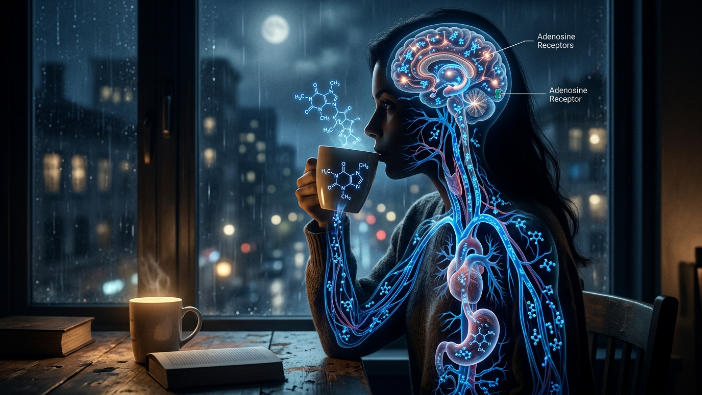
Caffeine is something that we find naturally in coffee beans and tea leaves and things, like that. It is also put into lots of drinks and pills and stuff. When we drink something with caffeine in it the caffeine gets into our blood. Goes to our brain. The main thing it does is stop something called adenosine from working.
Adenosine is a thing that helps us feel tired and sleepy. As the day goes on we get more adenosine in our brain. This makes us feel like we need to sleep. It is like our body is telling us it is time to sleep. Caffeine gets in the way of this by sticking to the things that adenosine usually sticks to. It does not do what adenosine does.
So our brain has a time knowing when we are tired and we feel more awake and alert. This can be a thing when we are awake and doing things but it can be a problem when it is time to go to bed.
How Caffeine Affects Sleep
Caffeine affects sleep by interfering with the body’s natural sleep–wake cycle and reducing the ability to feel tired at the appropriate time. As a stimulant, caffeine works by blocking adenosine, a chemical in the brain that gradually builds throughout the day and signals the body to prepare for sleep.
When adenosine activity is reduced, people often feel more alert and energized, even when the body actually needs rest. This effect can delay the time it takes to fall asleep, reduce total sleep duration, and decrease the amount of deep and restorative sleep. Research also suggests that caffeine consumed in the afternoon or evening may continue affecting the body for several hours due to its relatively long half-life.
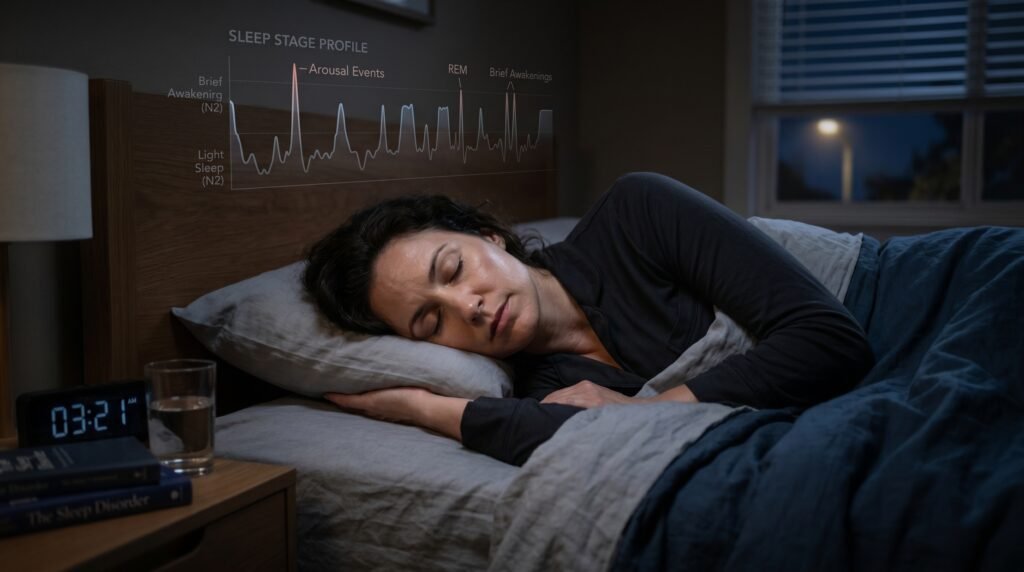
As a result, individuals may experience lighter sleep, more nighttime awakenings, and reduced next-day energy despite spending enough time in bed. Managing caffeine timing and intake can play an important role in improving overall sleep quality and maintaining healthier sleep patterns. Research says that caffeine is bad for sleep in ways
Dificulty Falling Asleep
One thing that caffeine does is make it hard to fall asleep. When people drink caffeine close to bedtime they often lie awake for a long time. Even when someone is tired the caffeine can still be working on their nerves. Make it hard to fall asleep.
Reduced Total Sleep Time
Studies have found that caffeine can make our sleep time shorter. Sometimes people lose a lot of sleep time. They do not even know it. This may not seem like a deal for one night but after some time it can make us very tired.
Lower Sleep Quality
Sleep quality is not about sleeping. When we sleep our brain goes through stages like deep sleep and the stage where we dream. Caffeine can reduce the time we spend in sleep. So people may wake up. Not feel rested even if they slept for many hours.
Increased Nighttime Awakenings
Some people are very sensitive to what caffeine does. They may wake up at night or sleep very lightly. This can make our sleep not restful. We may not recover from the day. Caffeine can really affect our sleep in ways like reducing our total sleep time, lowering our sleep quality and making it hard to fall asleep and causing more nighttime awakenings due, to caffeine.
How Long Does Caffeine Stay in the Body?

One of the biggest common myths about caffeine is that its impact fades away after a few hours. In reality, caffeine stays in the body much longer than many people expect. The average half-life of caffeine is around 5 to 6 hours. This means that if someone drinks 200mg of caffeine at 3 p.m., about 100mg may still be left in their body around 8 or 9 p.m. For some people, the half-life can last up to 8 hours or even longer.
Factors that Affect Body
Factors that affect how the body breaks down caffeine include:
- Age
- Pregnancy
- Liver health
- Smoking habits
- Certain medicines
- Body differences
This shows why one person can drink an espresso after dinner and sleep normally while another has trouble after a mid-afternoon coffee.
Can Caffeine Affect Sleep Even If You Fall Asleep Easily?
Yes. Many people think caffeine does not impact them because they can fall asleep quickly after drinking coffee. However, sleep experts have often found that caffeine can change sleep quality even when people do not realize the clear signs.
Examples of how Caffeine Affects Sleep
For example, someone may:
- Fall asleep at their usual time
- Sleep through the night
- Wake up at their normal hour
Yet objective sleep tests may show:
- Less deep sleep
- More waking up
- Lower sleep quality
- Lower total rest
This unseen impact is one reason some people experience persistent fatigue despite apparently adequate sleep.
How Much Caffeine Is Too Much?
Caffeine can improve alertness, concentration, and energy levels when consumed in moderation, but excessive intake may lead to unwanted physical and mental effects. According to widely accepted health guidance, up to 400 milligrams of caffeine per day roughly equal to four cups of brewed coffee is generally considered safe for most healthy adults.
Individual tolerance varies depending on age, body weight, metabolism, medications, and sensitivity to stimulants. Consuming more than recommended amounts may trigger symptoms such as restlessness, rapid heartbeat, anxiety, digestive discomfort, headaches, and difficulty sleeping. High caffeine intake over long periods may also contribute to disrupted sleep cycles and increased stress responses.
Certain groups, including pregnant individuals, adolescents, and people with specific health conditions, are often advised to limit caffeine further. Rather than focusing only on the total amount consumed, it is equally important to consider timing and hidden sources of caffeine in energy drinks, tea, soft drinks, chocolate, and supplements. The relationship between caffeine and sleep depends heavily on dose.
Approximate Caffeine Content In Common Products
There are so many products tha contains approximate caffeine content in them, some of them are:
- Brewed coffee (8 oz): 80–120 mg
- Espresso shot: 60–80 mg
- Black tea: 40–70 mg
- Green tea: 20–45 mg
- Energy drinks: 70–300+ mg
- Cola beverages: 30–50 mg
- Dark chocolate: 20–40 mg per serving
Health authorities generally consider up to 400 mg of caffeine per day safe for most healthy adults. However, safe does not necessarily mean sleep-friendly. Many people begin experiencing sleep disruption at significantly lower amounts, particularly when caffeine is consumed later in the day.
The Timing of Caffeine Matters More Than Many Realize
Timing is often more important than total consumption. Research suggests caffeine consumed six hours before bedtime can still negatively affect sleep. People who struggle with insomnia or poor sleep often benefit from moving their caffeine cutoff earlier.
Example Includes
The timing of caffeine matters more than many people realize. Here are some examples consider these example:
- Bedtime: 10 p.m.
- Coffee consumed: 4 p.m.
Even though six hours have passed, caffeine may still reduce sleep duration and quality.
Common recommendations
In my experience, caffeine works best when consumed with awareness rather than as a daily habit without limits. Many people rely on coffee, tea, or energy drinks to stay productive, but excessive caffeine often creates more problems than benefits. I have noticed that taking caffeine later in the day can affect sleep quality, energy balance, and overall focus the next day.
It is also important to remember that caffeine exists in many hidden sources, not only coffee. Small adjustments in timing and quantity can help maintain energy naturally while supporting better sleep, concentration, and long-term well-being.
- Avoid caffeine after noon
- Avoid caffeine at least 8 hours before bedtime
- Experiment with earlier cutoffs if sleep problems persist
Individual responses vary, so personal observation remains important. My recommendation is to pay attention to how your body responds rather than following general trends or overconsuming for temporary energy boosts. Moderate intake, proper hydration, and avoiding caffeine close to bedtime can make a noticeable difference.
Why Some People Are More Sensitive to Caffeine

Not everyone responds to caffeine in the same way. Genetic differences play a major role in caffeine sensitivity. Certain individuals metabolize caffeine quickly and clear it from their system relatively fast. Others process it much more slowly.
Signs of Higher Caffeine Sensitivity
Age can also increase sensitivity. Many adults notice they become more affected by caffeine as they get older. Signs of higher caffeine sensitivity include:
- Jitters
- Anxiety
- Rapid heartbeat
- Restlessness
- Difficulty sleeping after small amounts
Hormonal changes, medications, and certain health conditions may further alter caffeine metabolism.
Caffeine, Anxiety, and Sleep
Sleep and mental health are deeply interconnected, and caffeine can influence both in ways that are often overlooked. For some individuals, especially those who are more sensitive to stimulants, caffeine may increase feelings of nervousness, restlessness, or anxiety.
By stimulating the central nervous system and increasing alertness, excessive or poorly timed caffeine intake can make it more difficult for the body and mind to transition into a relaxed state needed for sleep. Increased anxiety levels may lead to racing thoughts, difficulty falling asleep, frequent nighttime awakenings, and reduced overall sleep quality.
In turn, poor sleep can heighten stress responses and make anxiety symptoms feel more intense the following day, creating a cycle that becomes difficult to break. Understanding personal caffeine tolerance and being mindful of consumption habits can support both healthier sleep patterns and improved emotional well-being.
Common Effects
Common effects that may be caused by caffeine include:
- Racing thoughts
- Increased nervousness
- Physical tension
- Elevated heart rate
When anxiety rises, falling asleep becomes more difficult. This creates a cycle:
- Poor sleep causes fatigue.
- Fatigue leads to increased caffeine consumption.
- More caffeine worsens sleep.
- Sleep quality declines further.
Breaking this cycle often requires addressing both caffeine habits and sleep hygiene.
Does Caffeine Cause Insomnia?
Caffeine is not the only cause of insomnia, but it can play a meaningful role in worsening sleep problems, especially for individuals who are already vulnerable to disrupted sleep. Insomnia is usually influenced by a combination of factors, including stress, anxiety, depression, underlying medical conditions, medications, irregular sleep schedules, and poor sleep habits.
In many cases, these factors interact rather than occur independently. Caffeine may intensify existing sleep difficulties because of its stimulating effects on the nervous system and its ability to delay the body’s natural sleep signals. For individuals experiencing insomnia symptoms, consuming caffeine later in the day or in excessive amounts may lead to longer sleep onset, lighter sleep, and more frequent nighttime awakenings.
Because of this connection, sleep specialists commonly assess caffeine intake when evaluating sleep concerns. Reducing caffeine consumption particularly in the afternoon and evening is often recommended as an early lifestyle adjustment that may help improve sleep quality and support healthier long-term sleep patterns.
What About Energy Drinks?
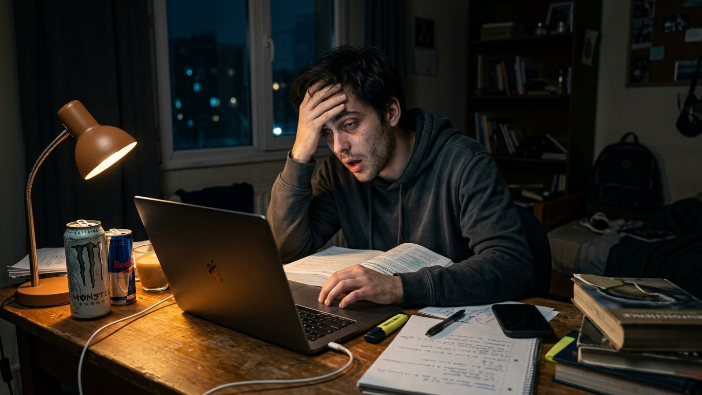
Energy drinks deserve special attention when discussing caffeine and sleep because they often contain concentrated amounts of caffeine alongside additional stimulatory ingredients such as guarana, taurine, and various herbal compounds. This combination may amplify the stimulating effects on the body and make it more difficult to recognize how much caffeine is actually being consumed.
Unlike traditional sources such as coffee or tea, energy drinks are frequently consumed quickly and in larger servings, which can lead to higher overall stimulant intake within a short period. Research suggests that excessive consumption of energy drinks may contribute to increased alertness at inappropriate times, delayed sleep onset, reduced sleep quality, and, in some individuals, symptoms such as restlessness, nervousness, and elevated heart rate.
For adolescents, young adults, and individuals sensitive to caffeine, these effects may be even more noticeable. Reading labels and monitoring total daily caffeine intake can help reduce the risk of unintended sleep disruption.
Does Decaf Coffee Affect Sleep?
Decaffeinated coffee is often considered a more sleep-friendly alternative to regular coffee, but it is important to understand that decaf is not completely caffeine-free. During the decaffeination process, most of the caffeine is removed; however, a small amount typically remains.
A standard cup of decaffeinated coffee may still contain approximately 2 to 15 milligrams of caffeine, although the exact amount can vary depending on the brand, brewing method, and serving size. For most individuals, this low level of caffeine is unlikely to cause noticeable sleep disruption, particularly when consumed earlier in the day and in moderate amounts.
People who are highly sensitive to caffeine or those already experiencing sleep difficulties may still notice mild effects, especially if multiple cups are consumed. Individual tolerance plays an important role in determining how decaf affects sleep. For individuals seeking to improve sleep quality while continuing to enjoy the taste and routine of coffee, decaf may offer a practical and lower-caffeine option.
How to Enjoy Caffeine Without Ruining Your Sleep
From both research and personal observation, I have found that enjoying caffeine does not necessarily mean sacrificing good sleep. The key is not complete avoidance but understanding timing, quantity, and individual tolerance. Many people can continue benefiting from improved alertness and focus while maintaining healthy sleep habits by being mindful of when and how much caffeine they consume.
Small adjustments such as limiting intake later in the day and paying attention to personal sleep responses can make a meaningful difference without giving up the routine entirely. Practical strategies include:
Know Your Personal Limit
In my experience, understanding your personal response to caffeine is more useful than relying on general advice or other people’s habits. Keeping a simple record of caffeine intake, timing, bedtime, and sleep quality can reveal patterns quickly and help you make more informed choices that support both energy and healthy sleep.
Avoid Late-Day Consumption
Moving caffeine earlier in the day is one of the most effective changes people can make. Many sleep experts recommend limiting caffeine after lunch.
Reduce Dependence
If caffeine feels necessary just to function, chronic sleep deprivation may be part of the problem. Improving sleep duration can reduce reliance on stimulants.
Watch Hidden Sources
One thing I have noticed is that caffeine is not limited to coffee or tea it often appears in unexpected products such as pre-workout supplements, weight-loss formulas, pain relievers, chocolate, and specialty beverages.
Improve Overall Sleep Hygiene
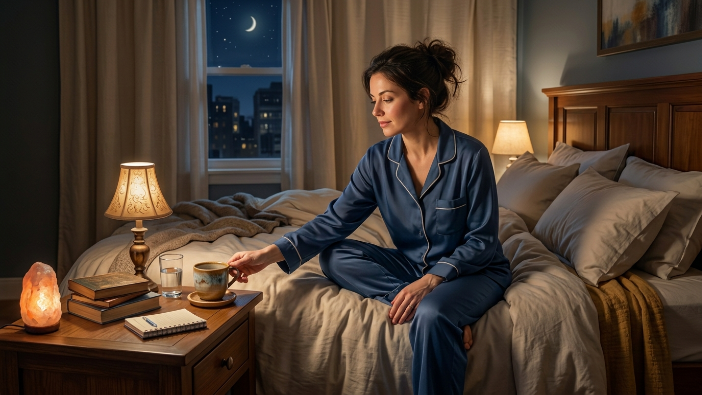
In my experience, reducing caffeine works best when combined with healthy sleep habits rather than as a standalone change. Maintaining a consistent sleep schedule, reducing screen exposure before bed, and creating a calm sleep environment can significantly support better sleep quality.
The Balance Between Alertness and Rest
Caffeine remains one of the world’s most widely consumed psychoactive substances for a reason. It improves alertness, concentration, and performance for many people. At the same time, sleep is one of the most important foundations of physical health, mental well-being, immune function, memory, and long-term disease prevention.
The challenge is finding a balance between the short-term benefits of stimulation and the long-term necessity of restorative sleep. For some people, that balance means enjoying several morning coffees without issue. For others, it may require limiting caffeine intake or avoiding it entirely after midday. Understanding your own response is ultimately more valuable than following a one-size-fits-all rule.
Conclusion
Caffeine unquestionably affects sleep, though the degree of impact varies from person to person. It can delay sleep onset, reduce total sleep time, interfere with deep sleep, and increase nighttime awakenings. Because caffeine remains in the body for many hours, even afternoon consumption may affect nighttime rest.
Individual factors such as genetics, age, health status, and caffeine sensitivity all influence how strongly these effects are felt. While moderate caffeine intake is generally safe for healthy adults, careful attention to timing and dosage can make a significant difference in sleep quality.
For anyone struggling with fatigue, insomnia, or unrefreshing sleep, examining caffeine habits is often a worthwhile place to start. Sometimes a simple adjustment in timing can lead to noticeable improvements in rest, recovery, and daytime energy.
FAQs
Does caffeine affect sleep if I drink it in the morning?
For most people, morning caffeine has less impact on nighttime sleep, though highly sensitive individuals may still experience effects.
How many hours before bed should I stop drinking caffeine?
A common guideline is to avoid caffeine at least 6–8 hours before bedtime. Some people benefit from stopping even earlier.
Can caffeine cause insomnia?
Yes. Caffeine can contribute to insomnia by making it harder to fall asleep, reducing sleep quality, and increasing nighttime awakenings.
Does tea affect sleep like coffee?
Tea contains less caffeine than coffee but can still affect sleep, especially if consumed later in the day.
Why can some people drink coffee at night and still sleep?
Genetic differences influence how quickly people metabolize caffeine. Fast metabolizers may experience fewer sleep-related effects.
Is decaf coffee completely caffeine-free?
No. Decaf coffee contains small amounts of caffeine, although much less than regular coffee.
Can caffeine reduce deep sleep?
Research suggests caffeine can reduce time spent in restorative deep sleep, which may leave people feeling less refreshed.
Do energy drinks affect sleep more than coffee?
Often yes. Many energy drinks contain high caffeine levels and additional stimulants that may further disrupt sleep.