
The way students learn has changed dramatically over the past decade. Classrooms that once relied almost entirely on textbooks, whiteboards, and face-to-face lectures now incorporate online platforms, interactive applications, video lessons, virtual discussions, and digital assessments.
While technology has transformed many aspects of education, one of the most significant questions remains: How does digital learning affect student engagement?
Student engagement is often considered a key predictor of academic success. Engaged students are more likely to participate actively, retain information, complete assignments, and develop a positive attitude toward learning.
Digital learning has introduced new opportunities to enhance engagement, but it has also created challenges that educators, parents, and institutions continue to navigate.
Understanding Student Engagement

Student engagement extends far beyond simply attending classes or completing assignments it reflects how actively students participate in, connect with, and invest in the learning process. From my perspective, truly engaged students are not only present but also mentally and emotionally involved in their educational experience.
Student engagement is commonly understood through three interconnected dimensions: behavioral engagement, which includes participation in classroom activities and consistent involvement in learning tasks; emotional engagement, which reflects interest, motivation, confidence, and positive feelings toward learning; and cognitive engagement, which focuses on deeper thinking, problem-solving, and the effort students put into understanding concepts rather than memorizing information.
Digital learning environments have the potential to influence each of these dimensions in meaningful ways. When implemented effectively, digital tools can encourage participation, increase motivation, and support more personalized and interactive learning experiences that strengthen overall student engagement and academic outcomes.
How Digital Learning Enhances Engagement
Digital learning enhances student engagement by making education more interactive, flexible, and personalized than traditional one-size-fits-all approaches. From what I have observed, students often become more involved when learning includes videos, quizzes, discussions, collaborative activities, and digital tools that encourage active participation instead of passive listening.
At the same time, effective digital learning supports different learning styles and allows students to learn at their own pace while receiving faster feedback and greater access to resources. When designed thoughtfully, digital learning can strengthen behavioral, emotional, and cognitive engagement by helping students stay motivated, connected, and more invested in their overall learning experience.
There are so many advantages of digital learning and how it enhance engagement some of them are below:
Increased Interactivity
One of the most noticeable advantages of digital learning is interactivity. Traditional lectures often place students in passive roles, while digital tools encourage active participation. Interactive quizzes, simulations, educational games, and virtual labs allow students to engage directly with content rather than simply absorbing information.
For example, science students can conduct virtual experiments that may not be possible in a physical classroom due to cost or safety limitations. When students actively participate, they tend to stay focused longer and develop a stronger understanding of concepts.
Personalized Learning Experiences
Not all students learn at the same pace. Some grasp concepts quickly, while others need additional practice and support. Digital learning platforms often provide personalized learning paths that adapt to individual performance.
A student struggling with mathematics can receive extra exercises and explanations, while another who has mastered the topic can move ahead. This customization helps reduce frustration and boredom, two common factors that negatively affect engagement.
Greater Access to Learning Resources
In the past, students often depended on a limited set of educational materials. Today, digital learning provides access to vast libraries of information, including videos, articles, podcasts, online courses, and interactive tutorials.
A high school student researching climate change, for example, can access scientific journals, expert interviews, and visual simulations within minutes. This broader access supports curiosity and encourages independent learning.
Flexibility and Convenience
One reason digital learning has gained popularity is flexibility. Students can often access materials anytime and from almost anywhere. This flexibility benefits learners who have different schedules, learning preferences, or personal responsibilities.
Recorded lectures allow students to revisit complex topics, improving comprehension and confidence. Many students report feeling more in control of their learning when they can choose when and how they engage with educational content.
Collaboration Beyond Physical Classrooms
Digital platforms have expanded opportunities for collaboration. Students can work together through discussion forums, shared documents, video meetings, and group projects, regardless of their location.
This type of collaboration helps students develop communication and teamwork skills while remaining engaged with course content. In many universities and schools, international collaborations have become increasingly common, exposing students to diverse perspectives and enriching the learning experience.
Challenges That Affect Student Engagement
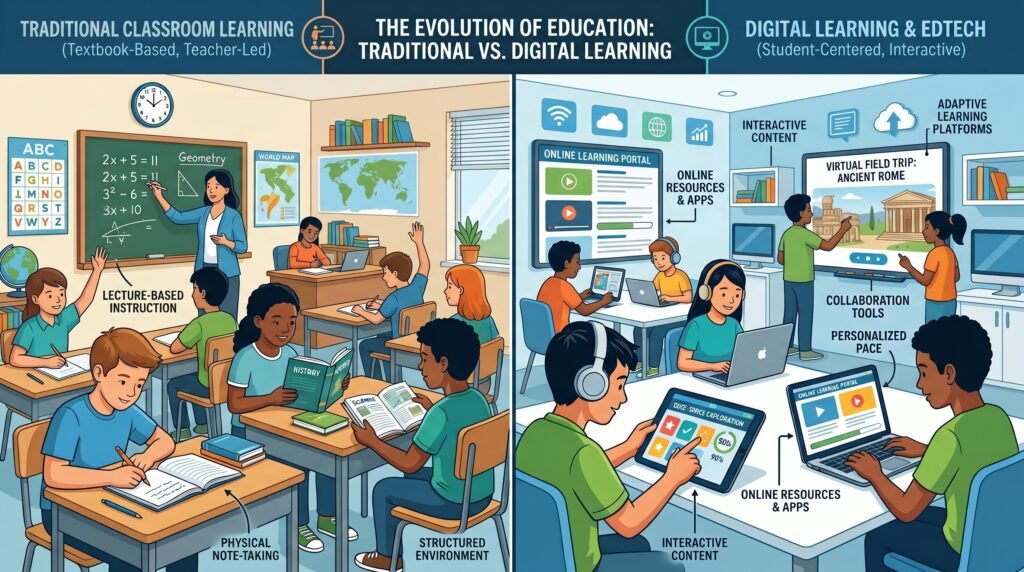
While digital learning creates new opportunities for participation and flexibility, it also introduces challenges that can influence student engagement if not addressed effectively. From my perspective, engagement in digital environments depends not only on access to technology but also on how students interact with content, teachers, and their learning environment.
One common challenge is digital distraction, where constant notifications, multitasking, or entertainment platforms reduce focus during learning sessions. Limited social interaction may also affect motivation and make students feel less connected to the educational experience.
In addition, differences in internet access, device availability, digital literacy, and self-discipline can create unequal learning outcomes among students. Some learners may also experience screen fatigue, reduced concentration, or difficulty maintaining consistent participation over time.
These challenges do not mean digital learning is ineffective; rather, they highlight the importance of thoughtful course design, strong teacher support, interactive learning methods, and balanced technology use to maintain meaningful student engagement and improve overall learning outcomes. While digital learning offers numerous benefits, it is not automatically engaging. Several challenges can reduce its effectiveness.
Digital Distractions
One of the biggest concerns is distraction. Students learning on internet-connected devices often face constant temptations from social media, entertainment platforms, messaging apps, and online games.
Even highly motivated learners can struggle to maintain focus when distractions are only a click away. Research consistently shows that multitasking during learning can reduce information retention and overall academic performance.
Screen Fatigue
Extended periods of screen use can lead to fatigue, eye strain, reduced concentration, and mental exhaustion. During periods of widespread remote learning, many students reported feeling overwhelmed by long hours of video conferencing and online coursework. When digital learning lacks variety and interaction, engagement levels may decline significantly.
Reduced Face-to-Face Interaction
Human connection remains an important part of education. Students often learn through discussions, nonverbal communication, classroom dynamics, and spontaneous interactions with teachers and peers.
In fully online environments, some students may feel isolated or disconnected. This can affect motivation and emotional engagement. Educators have increasingly recognized the importance of building community through virtual discussions, group activities, and regular feedback.
The Digital Divide
Not every student has equal access to technology. Reliable internet connections, modern devices, and quiet learning environments are still unavailable to many learners around the world.
The digital divide creates disparities in educational opportunities and engagement. Students facing technological barriers may struggle to participate fully, regardless of their motivation or abilities.
Educational institutions continue working to address these inequalities through device lending programs, infrastructure investments, and expanded internet access initiatives.
The Role of Teachers in Digital Learning
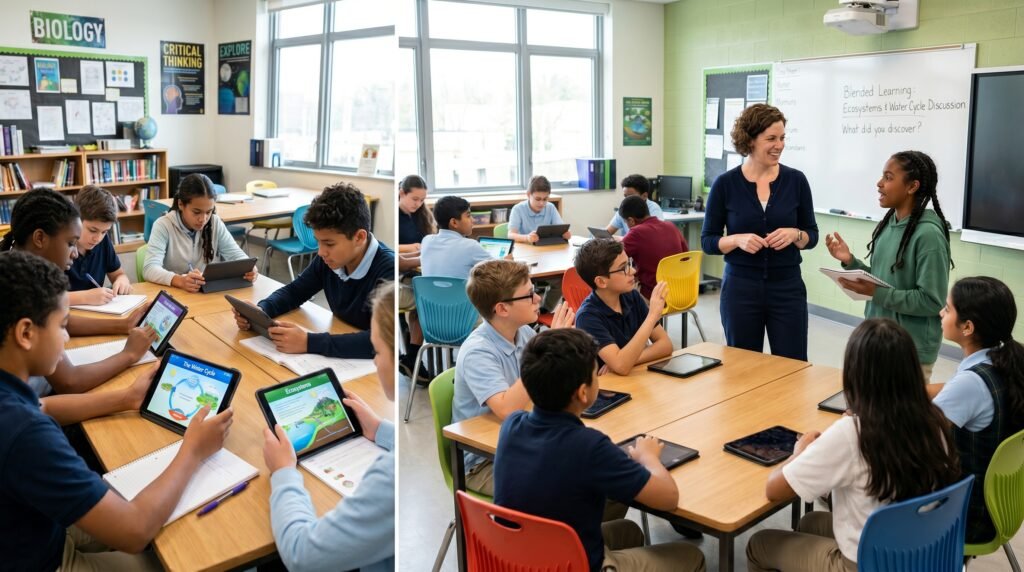
One thing that has become increasingly clear in digital education is that technology alone does not automatically create engaged learners. From my perspective, meaningful student engagement still depends heavily on the role of teachers and how effectively they guide the learning experience.
Digital tools can provide access, flexibility, and interactive opportunities, but teachers remain responsible for transforming those tools into valuable educational outcomes. Effective educators design interactive lessons, provide timely and constructive feedback, encourage active participation, monitor student progress, and create environments where students feel supported and motivated to learn.
Their ability to use technology intentionally often determines whether digital learning becomes engaging or simply another screen-based activity. Research continues to show that when strong teaching practices are combined with digital resources, students tend to demonstrate higher participation, improved understanding, and better overall learning experiences.
Blended Learning Balanced Approach
Among the different approaches to digital education, blended learning has emerged as one of the most practical and effective models for increasing student engagement. From what I have observed, combining traditional classroom instruction with digital learning creates a more flexible and balanced educational experience.
This approach allows students to benefit from direct interaction with teachers while also gaining access to online resources that support independent learning. Teachers can personalize instruction more effectively and create multiple opportunities for participation through videos, discussions, collaborative activities, and interactive assignments.
A common example is the flipped classroom model, where students explore instructional content at home and use classroom time for deeper discussions and problem-solving. By combining the strengths of both environments, blended learning can improve engagement while supporting stronger learning outcomes.
Emerging Trends Shaping Engagement
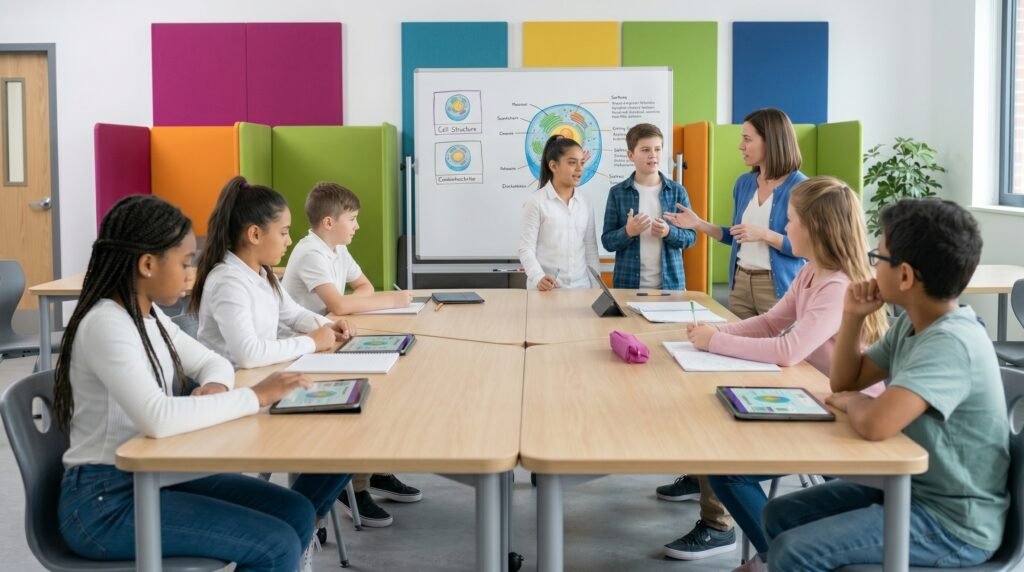
Digital learning continues to evolve rapidly. Several emerging trends are influencing student engagement in new ways. Artificial intelligence-powered tutoring systems are helping provide personalized support. Virtual reality experiences are allowing students to explore historical sites, conduct immersive science experiments, and engage with complex subjects more vividly.
Gamification is also becoming more widespread. By incorporating rewards, challenges, badges, and progress tracking, educators can increase motivation and participation. At the same time, there is growing recognition that technology should serve educational goals rather than dominate them. Many institutions are focusing on balanced and purposeful technology use.
Conclusion About Digital Learning
The impact of digital learning on student engagement is both significant and complex. When implemented thoughtfully, digital learning can increase participation, personalize education, improve access to resources, and create meaningful opportunities for collaboration.
These benefits have the potential to make learning more engaging, relevant, and effective. However, challenges such as digital distractions, screen fatigue, reduced social interaction, and unequal access to technology must also be addressed. The success of digital learning depends not only on the tools themselves but on how educators, institutions, and students use them.
As education continues to evolve, the most effective approaches will likely combine the strengths of technology with the irreplaceable value of human interaction. By maintaining this balance, digital learning can play a powerful role in fostering deeper student engagement and long-term academic success.
FAQs About Digital Learning
What is digital learning?
Digital learning refers to the use of technology, online platforms, and digital resources to support education and learning activities.
How does digital learning improve student engagement?
It increases interactivity, offers personalized learning experiences, and provides access to diverse educational resources.
What are the disadvantages of digital learning?
Common challenges include distractions, screen fatigue, limited face-to-face interaction, and unequal access to technology.
Can digital learning replace traditional classrooms?
Digital learning can support education effectively, but many experts believe a combination of digital and traditional learning works best.
Why is student engagement important?
Engaged students are more likely to participate actively, retain information, achieve better academic results, and develop positive learning habits.
What is blended learning?
Blended learning combines traditional classroom teaching with digital tools and online learning resources.
How can teachers increase engagement in digital classrooms?
Teachers can use interactive activities, provide regular feedback, encourage collaboration, and create meaningful learning experiences.